1850
Number of Methodist churches
Number of Methodist churches
0
15 to 25
0
15 to 25
1 to 4
more than 25
1 to 4
more than 25
Learning
5 to 14
5 to 14
Cengage©
MAP 10.1 Growth of American Methodism, 1775–1850
This is a county-by-county map of the rise of American Methodism from the Revolution through the eve of the Civil War. In 1775, Methodism was almost nonexistent in British North America. By 1850, the Methodists were the largest Protestant denomination in the United States, and they were truly a national faith: There were Methodist churches in almost every county in the country.
and institutional changes since the end of biblical times were man-made mistakes, and that religious organizations must restore themselves to the purity and simplicity of the church of the Apostles. In sum, this loose democratic creed rejected
learning and tradition and raised up the priesthood of all believers.
Baptists and Methodists were by far the most successful at preaching to the
new democratic audience. The United States had only 50 Methodist churches in
1783; by 1820 it had 2,700. Over those same years, the number of Baptist
churches rose from 400 to 2,700. Together, in 1820, these two denominations out-
numbered Episcopalians and Congregationalists by three to one, almost a reversal
of their relative standings 40 years earlier. Baptists based much of their appeal in localism and congregational democracy. Methodist success, on the other hand, entailed skillful national organization. Bishop Francis Asbury, the head of the church in its fastest growing years, built an episcopal bureaucracy that seeded churches throughout the republic and sent circuit-riding preachers to places that had
none. These early Methodist missions were grounded in self-sacrifice to the point of martyrdom. Asbury demanded much of his itinerant preachers, and until 1810,
he strongly suggested that they remain celibate. “To marry,” he said, “is to
The Plain People of the North
351
locate.” Asbury also knew that married circuit riders would leave many widows
and orphans behind, for hundreds of them worked themselves to death. Of the
men who served as Methodist itinerants before 1819, at least 60 percent died
before the age of 40.
From seaport cities to frontier settlements, few Americans escaped the sound
of Methodist preaching in the early 19th century. The Methodist preachers were
common men who spoke plainly, listened carefully to others, and carried hymn-
books with simple tunes that anyone could sing. They also, particularly in the
early years, shared traditional folk beliefs with their humble flocks. Some of the early circuit riders relied heavily on dreams; some could predict the future; many visited heaven and hell and returned with full descriptions. In the end, however, it was the hopefulness and simplicity of the Methodist message that attracted ordinary Americans. The Methodists rejected the old terrors of Calvinist determinism
and taught that although salvation comes only through God, men and women can
open themselves to divine grace and thus play a decisive role in their own salva-
tion. They also taught that a godly life is a gradual, lifetime growth in grace, thus allowing for repentance for minor, and sometimes even major, lapses of faith and
behavior. By granting responsibility (one might say sovereignty) to the individual believer, the Methodists established their democratic credentials and drew hundreds of thousands of Americans into their fold.
The Providential
Northern plain folk favored churches as doctrinally varied as
Worldview
the people themselves. These ranged from the voluntaristic
“free grace” doctrines of the Methodists to the iron-bound
Calvinism of most Baptists, from the fine-tuned hierarchy of the Mormons to the
near-anarchy of the Disciples of Christ. They included the most popular faiths
(Baptists and Methodists came to contain two-thirds of America’s professing Prot-
estants), as well as such smaller sects as Hicksite Quakers, Universalists, Adventists, Moravians, and Freewill Baptists. Yet for all their diversity, these churches had important points in common. Most shared an evangelical emphasis on individual
experience over churchly authority. Most favored democratic, local control of religious life and distrusted outside organization and religious professionalism. They also rejected middle-class optimism and reformism, reaffirming humankind’s duty
to accept an imperfect world even while waging war against it.
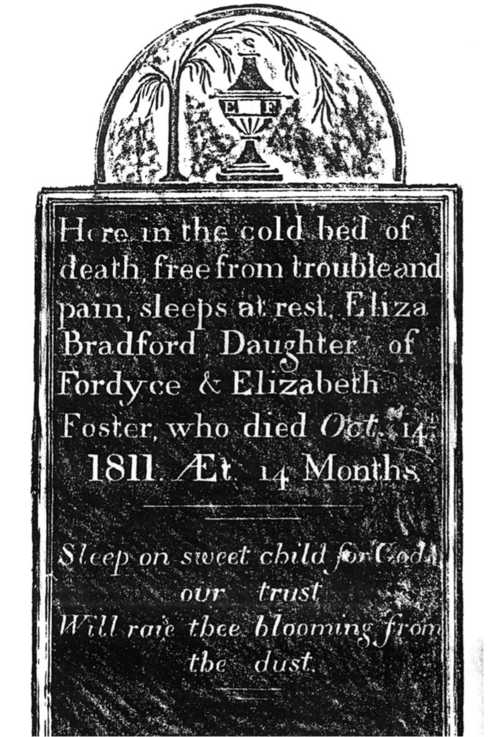
The most pervasive strain was a belief in providence—the conviction that
human history is part of God’s vast and unknowable plan, and that all events are
willed or allowed by God. Middle-class evangelicals spoke of providence, too, but they seemed to assume that God’s plan was manifest in the progress of market
society and middle-class religion. Humbler evangelicals held to the older notion
that providence is immediate, mysterious, and unknowable. They believed that the
events of everyday life are parts of a vast blueprint that exists only in the mind of God—and not in the vain aspirations of women and men. When making plans, they
added the caveat “the Lord willing,” and they learned to accept misfortune with
fortitude. They responded to epidemics, bad crop years, aches and pains, illness, and early death by praying for the strength to endure. As a minister told the Scots Covenanters of Cambridge, New York, “It is through tribulation that all the saints
352